1。 Evolution and Common Ancestry:
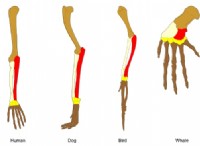
* 化石記録: Fossils show a progression of life forms over time, illustrating how species have changed and evolved. They reveal the branching patterns of evolution, demonstrating common ancestry between seemingly different organisms.
* 移行化石: これらの化石は、古代種とその現代の子孫の間の中間段階を文書化し、進化の強力な証拠を提供します。例には、Archeopteryx(爬虫類と鳥の間のギャップを埋める羽のある恐竜)とTiktaalik(四肢のようなひれを持つ魚、陸地に住む動物への移行を示唆する)が含まれます。
2。 Earth's History and Climate Change:
* デート: 化石は、放射測定のデートなどの方法を使用して日付を付けることができ、地球の歴史の中で主要な出来事のタイムラインを提供します。 This helps understand ancient environments, past climate changes, and the timing of major extinction events.
* Paleoenvironments: Fossils found in specific locations indicate the past environment, such as whether it was a tropical forest, a desert, or an ocean. Studying fossil assemblages can reveal how environments have changed over time.
3。 Biodiversity and Extinction:
* Fossil Diversity: The abundance and variety of fossils in a particular layer indicate the biodiversity of past ecosystems. This helps understand how different species interacted and how ecosystems functioned in the past.
* 絶滅パターン: The absence of certain fossils in later layers indicates extinction events.過去の絶滅の原因と結果を研究することは、現在の生物多様性の脅威に関する洞察を提供する可能性があります。
4。人間の起源:
* ホミニン化石: 初期の人間の祖先の化石化された遺跡は、私たちの種の進化の重要な証拠を提供します。 They shed light on our lineage, adaptations, and the development of human traits.
* 考古学的文脈: アーティファクトと一緒に見つかった化石は、先祖の行動、文化、技術に関する情報を提供します。
5。地質プロセス:
* プレートテクトニクス: 大陸を越えた化石の分布は、プレートテクトニクスの理論の証拠を提供し、大陸が何百万年にもわたってどのように動いたかを説明しています。
* 海面の変化: 陸地で見つかった海洋化石は、過去の海面の変化を示しており、地球の地質学的歴史に関する洞察を提供します。
結論として、化石は過去への貴重な窓を提供し、進化、地球の歴史、生物多様性、そして私たち自身の起源の証拠を提供します。それらは、地球上の生命の複雑なタペストリーを理解するための不可欠なツールです。