* 地震: Seismologists study seismic waves, which are vibrations that travel through the Earth.これらの波が移動する方法は、さまざまな材料を通過する際の速度を変化させる方法は、直接アクセスできない場合でも、地球の内部の構成と構造に関する情報を提供します。
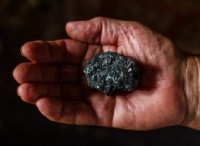
* 火山噴火: Magma, which originates deep within the Earth, carries rock samples to the surface during volcanic eruptions.これらの岩、特にダイヤモンドのようなミネラルを含む岩(巨大な圧力の下で形成される)を分析すると、マントルとより深い層の条件と組成を理解するのに役立ちます。
* met石: Some meteorites are believed to be remnants of early planets that formed alongside Earth. Studying their composition can offer insights into the composition of the Earth's core, as they were likely formed under similar conditions.
ただし、覚えておくことが重要です:
* 間接的な証拠: Studying rock samples provides indirect evidence, meaning we infer information about the interior based on what we observe at the surface. It's not a direct observation of the Earth's core.
* Limited access: We haven't directly sampled the core, and we haven't drilled through the entire mantle either. これまでで最も深い掘削プロジェクトであるコラスーパーディープボアホールは、地球の半径のほんの一部である深さ約12キロメートルに達しました。
全体として、岩のサンプルを研究することは、地球の内部について学ぶための重要な方法ですが、それは私たちがさまざまな科学的なツールやテクニックと一緒につなぎ続けているパズルです。